


Landscaping Fleet Playbook — Chevy Trucks and Vans that Work Hard around Bartlett, IL
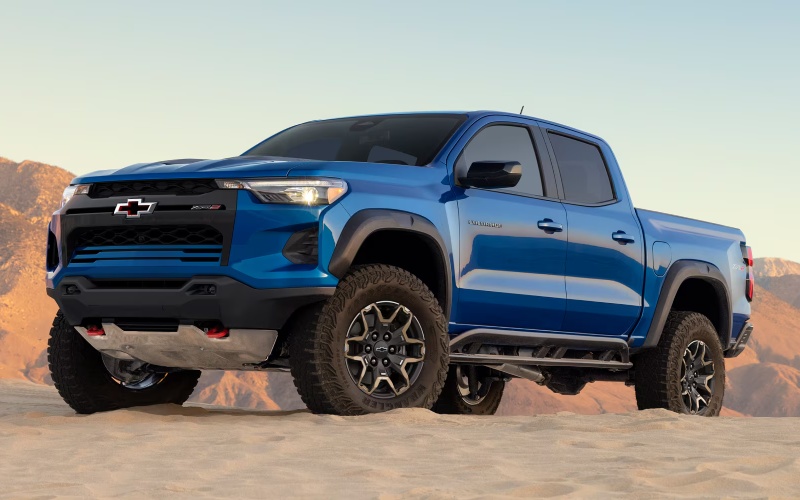
Biggers Chevrolet – Landscaping Fleet Playbook — Chevy Trucks and Vans that Work Hard around Bartlett, IL
Landscaping success rarely comes down to a single truck or a single big job—it is the repeatable efficiency of every stop on a full calendar. Around Bartlett, IL, that means rolling from neighborhood cul-de-sacs to commercial plazas off IL-59 and back roads connecting to I-90. A smart fleet meets those demands with predictable towing, organized storage, and comfortable cabs that help crews stay sharp all day. Chevrolet trucks and vans provide a consistent foundation—frames that take real loads, drivetrains that launch confidently with trailers, and cabin tech that makes navigation, communication, and safety part of the routine instead of a distraction.
Start with a simple exercise: list the five heaviest items or combinations your crews move every week—mowers, skid-steers, pallets of pavers, bulk mulch, and irrigation pipe. Add the weight of fuel, tools, and tie-downs. Then factor in the number of daily stops and the tightest parking scenarios on your routes. That worksheet reveals your true needs better than spec sheets alone ever will. For many operations, the smart mix looks like this: a foreman’s half-ton for quick estimates and light towing, a pair of HD pickups for equipment hauls, and one enclosed van to protect parts and power tools. With a balanced fleet, no one truck is overworked or misapplied, which helps control costs and downtime.
- Half-ton pickups: Agile for quotes, quick parts runs, and light trailers—great visibility and tight turning for residential neighborhoods.
- HD pickups: Confidence for launching with heavy loads, stable highway manners on I-90, and braking support designed for the job.
- Chassis cabs: Upfit-ready frames for landscape dumps, flatbeds, or stake bodies that simplify bulk material runs and cleanup.
- Cargo vans: Shelving and partitions safeguard inventory and tools, speed retrieval, and reduce theft risk during multi-stop days.
Specification details matter. Axle ratios influence takeoff with a loaded trailer as well as RPM on highway connectors. Crew cabs keep the team together for better communication, while double cabs can save length for tight parking. Bed length affects how you stage gas cans, trimmer racks, and hand tools; integrated bed steps and multiple tie-down points reduce awkward climbs and make securing loads second nature. Inside the cabin, clear camera views, trailer guidance, and integrated brake controllers cut hookup time—minutes gained at the yard and at every job add up to an additional stop or two each week.
Do not overlook electrical planning. If crews charge handheld batteries on the move or power pumps and sprayers, confirm alternator output and consider inverters with protected wiring paths. For chassis cabs that support vac systems or sprayers, map PTO needs early, so your builder and dealership stay aligned on components and mounting. Thoughtful power design today prevents creative but risky add-ons later. And because landscaping routes in the western suburbs often mix slow-speed residential driving with quick hops on IL-19, correct cooling and airflow assumptions keep temps stable across the day.
Cargo management is the silent profit center. A van with measured shelving and labeled bins turns ten-minute searches into two-minute grabs. In a pickup, a weatherproof bed box holds frequently used gear at waist height so the crew can work smarter without climbing into the bed repeatedly. Ladder racks and secure mounts prevent shifting loads that wear on suspensions and driver nerves. Standardize layouts across like vehicles so anyone can find anything—consistency is the quickest way to squeeze lost minutes out of a busy schedule.
- Document real weights and routes for one full week.
- Choose platforms and axle ratios to match your heaviest regular load, not your lightest day.
- Standardize cargo layouts so every crew can swap vehicles without confusion.
- Set a preventive maintenance calendar that aligns with mowing and hardscape seasons.
- Use telematics to track idle time, confirm stops, and coach smooth driving that protects brakes and fuel.
Maintenance planning should fit your calendar, not disrupt it. Schedule oil services, brake inspections, and tire rotations around slower midweek windows or shoulder seasons so peak periods stay clear. Multi-point inspections help catch tire wear from curbing, brake fade from frequent stops, and hitch wiring issues before the next trailer day. In Bartlett and nearby corridors, a little prevention avoids the headache of a sidelined truck when crews are already booked solid.
Finally, build for growth. Even if today’s routes center on neighborhood lawns, tomorrow could add HOA contracts, municipal work, or new-build installations. Pick a spec with headroom—tow capacity, storage, onboard power—so new opportunities are easy to say yes to. Templates for cabs, beds, gear storage, and electronics make reorders fast and training simple. That is how you scale from a scrappy two-truck team to a polished, multi-crew operation that runs on systems, not heroics.
When you align platform choice, powertrain, storage, and service planning with the realities of suburban routes and frequent stops, the workday gets lighter, safer, and more profitable. Biggers Chevrolet supports that approach with commercial guidance and coordinated upfits that respect your time and budget, serving South Elgin, Streamwood, and Bartlett with fleet-minded expertise. With the right Chevy trucks and vans under your crews, you turn a day of small wins—faster hookups, tidy tool grabs, confident towing—into a season of big results.
0 comment(s) so far on Landscaping Fleet Playbook — Chevy Trucks and Vans that Work Hard around Bartlett, IL